
Post-construction and renovation cleanup
Post-construction
The contractor swept up and left. The house still is not livable. Construction dust gets into everything and comes back for days, and it takes a different kind of clean to actually end it.
Construction dust is a different job
Normal dust settles. Drywall dust floats, and that changes everything about how you deal with it.
It is fine enough to hang in the air for hours after the work stops, so it lands on surfaces you already cleaned. It gets on top of door frames, into the tracks of windows, inside light fixtures, behind radiators, into the ridges of trim, and through the whole HVAC system if the vents were not sealed.
It also does damage if you rush it. Wiping drywall dust off a hardwood floor with a wet mop makes a paste. Vacuuming it with a household vacuum blows the fine particles straight back into the room through the exhaust. Dry dusting a countertop full of grit scratches it.
So it is not a matter of cleaning harder. It is a different order of operations, done in passes, from the top of the room down, with the understanding that it will need doing more than once.
The phases of a cleanup
A proper cleanup usually happens in stages, and which stages you need depends on how big the job was.
Rough clean. While the work is still going. Debris out, offcuts and packaging removed, floors swept so the trades can actually work. Some contractors handle this themselves.
The main clean. After the last tool leaves. This is the real one. Every surface top to bottom, inside cabinets and closets, window tracks and sills, light fixtures, vents, trim, door frames, and the floors properly, in the right order.
The final pass. A few days later, once everything that was still airborne has landed. This is the one people skip and then wonder why the house feels dusty a week after it was cleaned. On a big job it is the difference between done and nearly done.
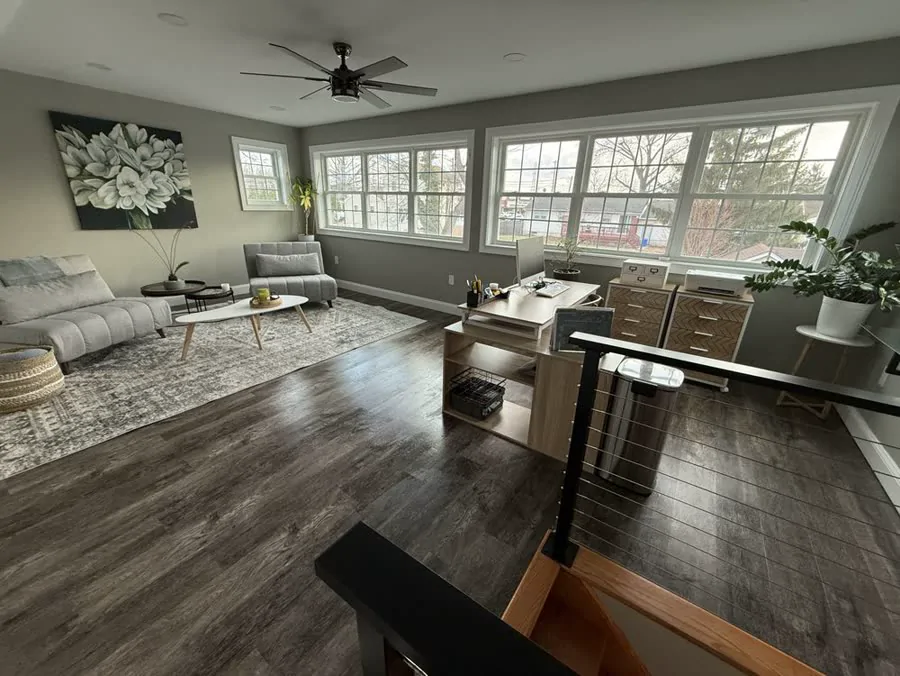
Working alongside your contractor
We are not the builders and we do not get in their way. Tell us when the last trade is finishing and we will come after.
If your contractor says cleanup is included, ask what that actually means. Very often it means debris removed and floors swept, which is a rough clean, not a house you can move back into. There is nothing wrong with that, it just is not the same thing, and knowing the difference saves an argument later.
For bigger jobs it is worth booking us before the work finishes rather than after. Renovations run late, and the week a job wraps is a busy week for everyone.
Before you move the furniture back
The right moment is after the trades and before the furniture. Same logic as a move in clean. An empty room is quick and a full one is not, and anything that goes back in before the dust is gone just collects it.
If it was a single room rather than a whole house, the rest of the place still needs attention. Dust travels far beyond the room the work happened in. That part is often closer to a deep clean than a cleanup.
Once you are back in and settled, a lot of people start a regular schedule, because a house that has just been renovated is a house nobody wants to let slide again.
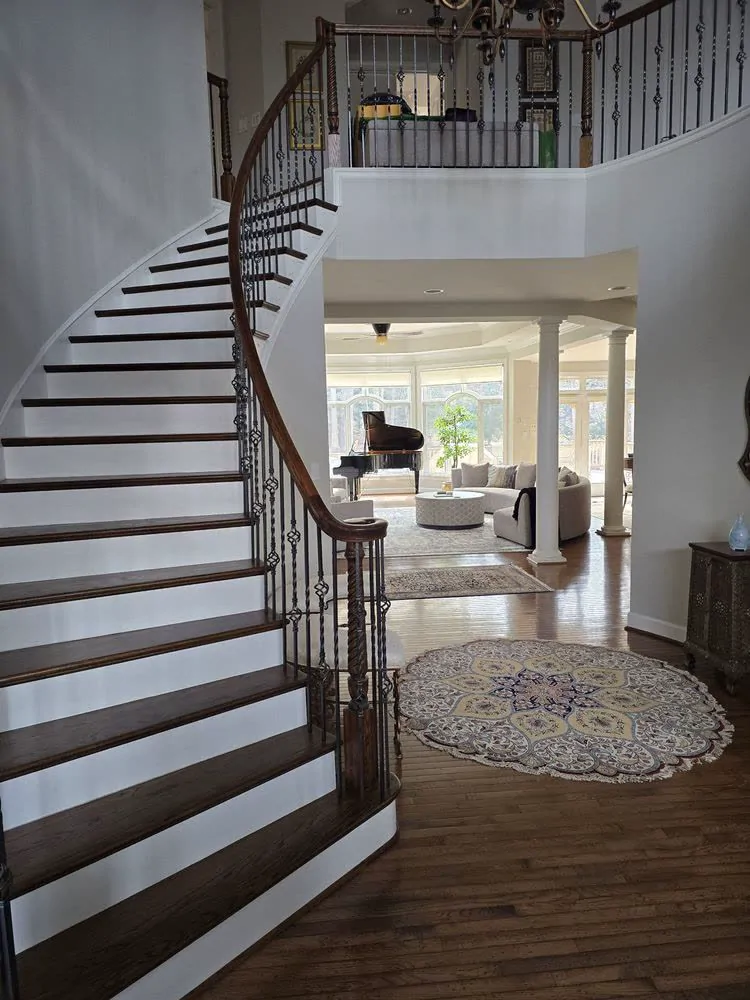
Pricing and booking
Post-construction work is priced on the size of the space and the state of it, and it is more involved than a standard clean, so it costs more per visit. We come and look before quoting. Photos alone rarely tell the whole story with dust.
Tell us the scale of the job, whether it was one room or a whole house, whether the HVAC ran during the work, and when the last trade is out. We cover Middlesex, Somerset, Union, Hunterdon and Mercer counties.
Call (908) 532-3119 or book a free estimate and we will come and see what you are dealing with.
Questions we get about post-construction
My contractor said they would clean up. Do I still need this?
How soon after the work can you come?
Why does it need more than one visit?
Do you remove construction debris?
It was only one room. Is that worth booking?
Come home to clean.
Book a free estimate and we will come and look at your place, or call and talk it through. Either way it costs nothing to find out.